2026-10-12 · Marco Rossi
Signs Your Ocala Drain Needs Attention After a Storm
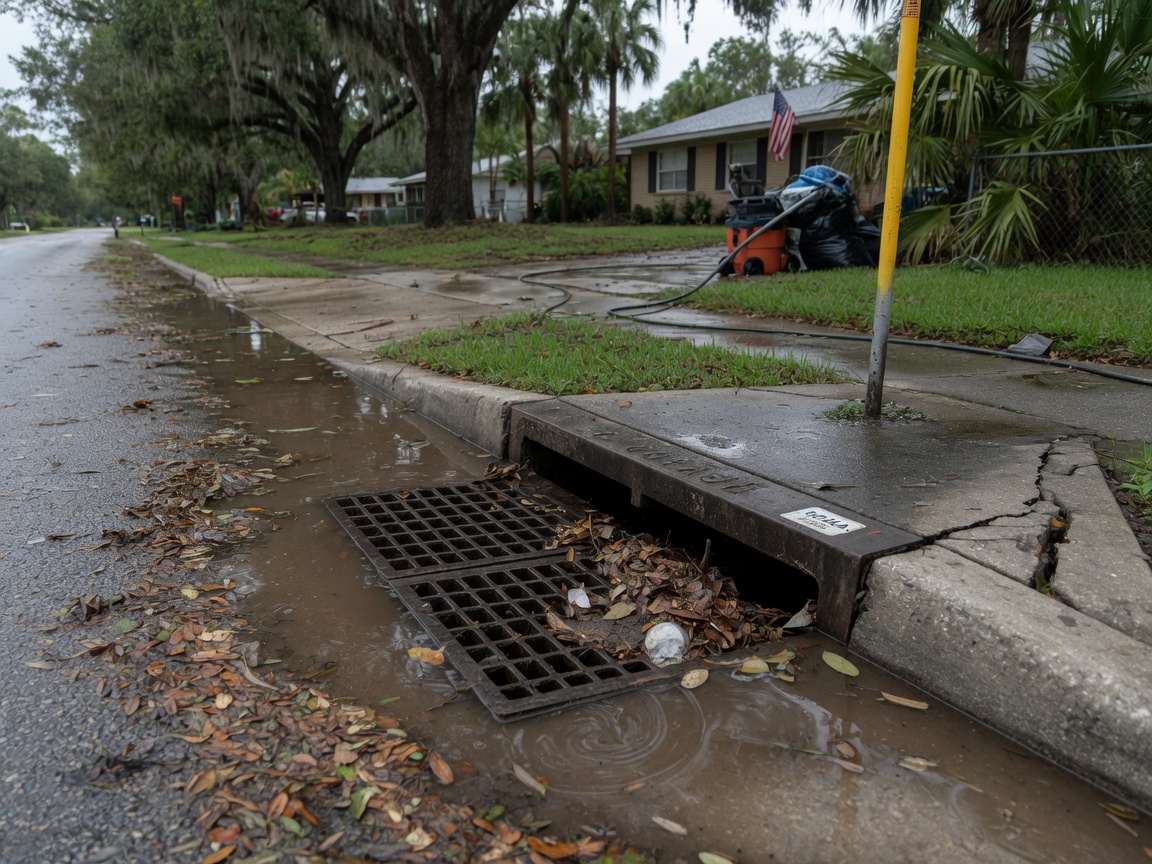
After a storm sweeps through Marion County, especially with our humid subtropical climate bringing heavy downpours, your Ocala home's drains often need attention. The most common signs that your drain system is struggling include noticeably slower drainage in sinks, tubs, and showers, gurgling sounds coming from fixtures, and unpleasant, musty odors emanating from drains. You might also observe water backing up into unexpected places like toilets or bathtubs when another fixture is used, or even see standing water around your property's exterior cleanouts. These symptoms typically appear within 24–48 hours after a significant rain event, indicating that stormwater has likely overwhelmed your pipes, pushed debris into your system, or exacerbated existing clogs.
The Impact of Ocala Storms on Your Drainage System
Ocala's weather patterns, characterized by hot, humid summers and mild winters, often include intense thunderstorms and tropical depressions. These events dump substantial amounts of rain in short periods, particularly in areas like Silver Springs Shores or Southwest Ocala. This sudden influx of water can overwhelm municipal storm drains, leading to localized flooding that pushes water and debris into your home's sewer lines through various access points, including compromised cleanouts or even through foundation cracks. The older infrastructure in places like the Ocala Historic District can be particularly vulnerable, as aging pipes may have cracks or loose joints that allow tree roots and sediment to infiltrate more easily when saturated soil conditions are present.
Beyond the sheer volume of water, storms also introduce a host of new contaminants into your drainage system. Leaves, twigs, mud, and silt are washed from yards and streets directly into storm drains, and in some cases, into your main sewer line if there are breaches. This debris can quickly accumulate, forming blockages that impede the normal flow of wastewater. Even seemingly minor clogs can escalate rapidly during a storm, as the increased hydrostatic pressure from saturated ground can exacerbate existing issues, turning a slow drain into a full-blown backup. Understanding this local context is crucial for identifying why your drains might be struggling post-storm.
Common Post-Storm Drain Issues and Their Signs
One of the most immediate indicators of a problem is slow drainage. If your kitchen sink, shower, or bathtub takes significantly longer to drain than usual after a storm, it's a strong sign that a partial blockage exists. This isn't just an inconvenience; it means water is sitting in your pipes longer, potentially causing corrosion or allowing debris to settle further. Another tell-tale sign is gurgling noises coming from drains or toilets when water is run elsewhere in the house. This sound indicates air is trapped in the plumbing system, often due to a partial vacuum created by a blockage impeding proper flow.
Foul odors are also a clear warning. If you notice a persistent sewage smell emanating from your drains, especially in bathrooms or near floor drains, it suggests that wastewater is not flowing freely and is accumulating within your pipes. This can be particularly noticeable after heavy rains have stirred up sediment and sewage. Finally, water backing up into unexpected fixtures, such as sewage surfacing in your bathtub when you flush a toilet, is a critical sign of a severe main line blockage. In such cases, the water has nowhere else to go and is forced back up the path of least resistance. For issues that might involve your main sewer line, consider a professional <a href="/services/sewer-camera-inspection">sewer camera inspection</a> to pinpoint the exact problem.
Exterior Clues and Property-Wide Problems
Don't just look inside your home for drain issues; inspect your property's exterior, especially after a major storm. Standing water in your yard, particularly around where your main sewer line runs or near exterior cleanout caps, is a significant red flag. If the ground remains saturated or puddles form days after the rain has stopped, it could indicate a break in your sewer line or a severe blockage preventing proper drainage away from your home. This is particularly relevant in areas like Northeast Ocala, where older homes might have terracotta or cast iron pipes that are more susceptible to cracks and root intrusion.
Another exterior sign to watch for is sudden lush patches of grass over your sewer line, or conversely, depressions or sinkholes forming in your yard. These can both point to a leaking sewer line, where wastewater is either fertilizing the soil or eroding it away. If you have a septic system, an overflowing or backed-up septic tank after heavy rains is also a clear indicator of a major problem. Stormwater can saturate the drain field, preventing it from absorbing effluent, or even cause the tank itself to overflow if its integrity is compromised. Addressing these exterior issues quickly can prevent more extensive and expensive damage to your home's foundation and plumbing system.
What to Do When You Spot Post-Storm Drain Problems
Once you identify any of these signs, it's crucial to act promptly. Ignoring them will almost certainly lead to more severe and costly issues down the line. First, avoid using harsh chemical drain cleaners. While they might seem like a quick fix, they often only partially clear clogs, can damage your pipes, and pose a health risk. Instead, try a plunger for localized clogs in sinks or toilets. If the problem persists or is widespread throughout your home, it's time to call a professional drain cleaning service.